Biodiversity
Shade-grown coffee is one of the few forms of agriculture that makes a real effort to keep forest standing. That is the whole argument for farming the way we do.
Why it matters
There are probably 12 million different species of plants and animals living on Earth today. Perhaps the figure is much higher — we really do not know. What we do know is that as wild habitats are destroyed or altered by human activity, this biodiversity is in peril.
Species are more abundant in the tropics, and especially abundant in tropical forests. This is why shade-grown coffee is so important: it is one of the few agricultural practices where an effort is made to retain significant amounts of forest cover. On Finca Santa Rosa we are committed to maintaining the highest possible biodiversity through our farming practices.
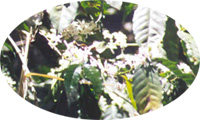
Forest, not a few scattered trees
Only about 6% of El Salvador is still forested, and a large share of what remains stands on coffee farms. Many farms described as “shade coffee” offer only a few large trees here and there, particularly at higher altitudes where coffee needs less shade.
Our forest cover was established over a century ago and has been maintained since. We keep natural forest trees at very high density — so dense that in places very little light reaches the forest floor. The result is a great profusion of wild plants and animals.
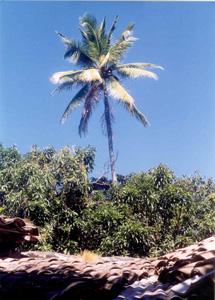
Orchids and butterflies
We are particularly proud of our orchids and our butterflies, where we have far greater diversity than can be found in any neighboring location.
Butterflies are everywhere on the farm — myriads of Heliconius, and the occasional metallic blue Morpho. The orchids live high in the limbs of the big canopy trees, together with bromeliads and ferns. When shade trees are pruned each June, we take great care to save the orchids and other epiphytes from the branches we remove, and they are taken to our plant rescue center.
Farming without chemicals
No pesticides or artificial fertilizers are used on the farm. Beyond keeping them out of the coffee and out of the springs that supply local people, we know they have a destructive effect on exactly the flora and fauna we are trying to conserve. Pests are managed instead by releasing parasitic wasps, by picking and boiling early-ripening infested cherries, and by cutting back the rare diseased tree.
In April 2001 the farm presented its approach to biodiversity at the annual conference of the Specialty Coffee Association of America.